
What Dissolves Tar? A Complete Guide to Tar Removal
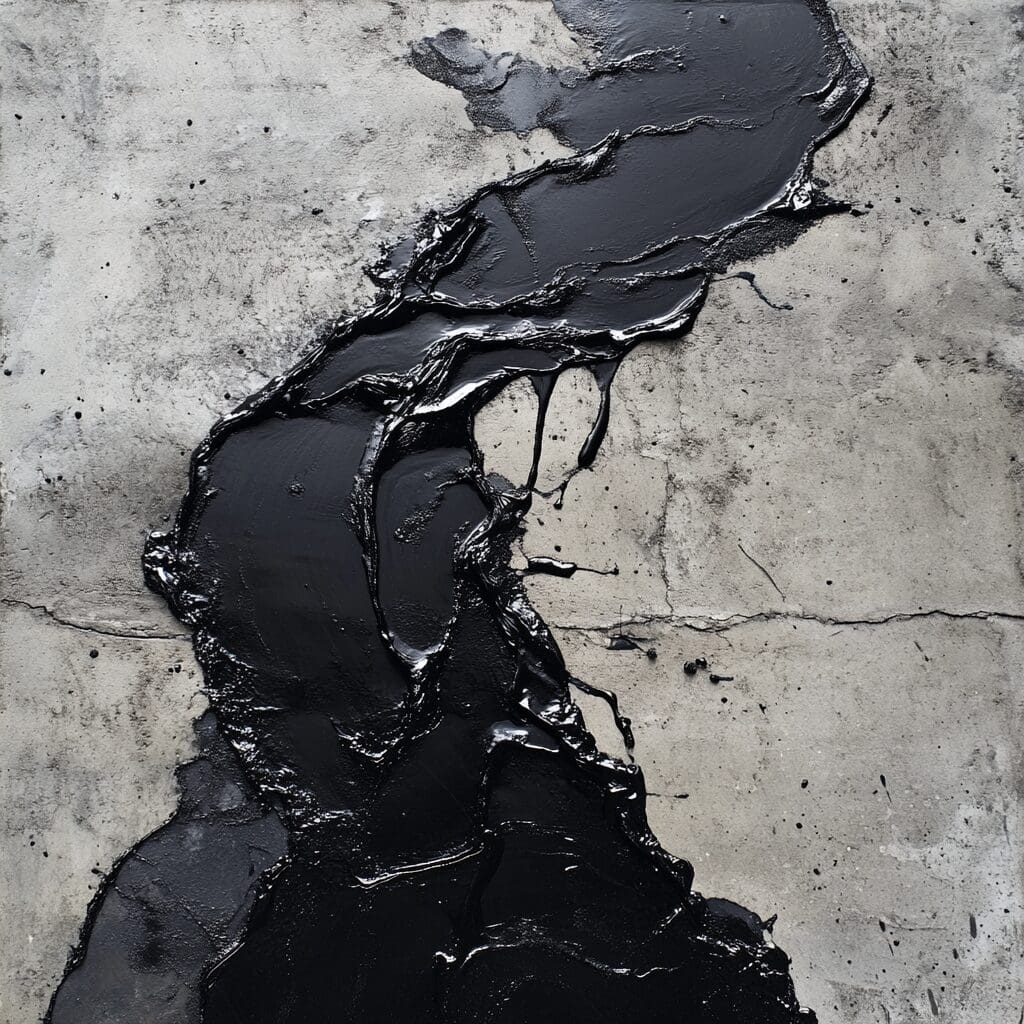
Tar is one of the most stubborn substances you will ever encounter on a vehicle, a surface, or a piece of equipment. Thick, viscous, and chemically complex, it bonds aggressively to paint, metal, concrete, fabric, and skin — and laughs at most conventional cleaning attempts. Understanding what actually dissolves tar at a chemical level is the key to removing it efficiently without damaging the surface beneath it.
What Is Tar, Chemically Speaking?
Before exploring what dissolves it, it helps to understand what tar actually is. Tar is a dark, oily byproduct of the destructive distillation of organic materials — most commonly coal or petroleum. It is composed primarily of polycyclic aromatic hydrocarbons (PAHs), along with phenols, benzene derivatives, and various other complex organic compounds. This chemical composition is what makes tar so adhesive and so resistant to water-based cleaning — water simply cannot break the hydrocarbon bonds that hold tar together.
Road tar — the type most commonly encountered on vehicles and equipment — is an asphalt-based material that softens in heat and hardens when it cools, creating a bond with whatever surface it contacts that becomes increasingly difficult to break over time. The longer tar sits, the harder it becomes and the more thoroughly it bonds — which is why prompt treatment almost always produces better results than waiting.
What Actually Dissolves Tar?
The chemistry is straightforward: tar is a hydrocarbon, so it is dissolved by other hydrocarbons and by compounds that can penetrate and break hydrocarbon molecular chains. Water-based cleaners fail because tar is hydrophobic — it repels water entirely. You need a solvent that speaks tar’s own chemical language.
Here are the most effective options, from harshest to most refined:
1. Citrus Solvent — D-Limonene (The Best Overall Option)
Citrus-based solvents — powered by d-limonene, the natural terpene extracted from orange peel — have emerged as the most compelling tar dissolution option available, combining genuine chemical effectiveness with a safety and environmental profile that petroleum-based solvents simply cannot match.
How it works: D-limonene is a cyclic monoterpene with a molecular structure that penetrates and disrupts the hydrocarbon polymer chains in tar at a molecular level. It essentially dissolves the chemical bonds holding the tar together, causing it to soften, release its grip on the surface, and wipe away cleanly. It works through the same fundamental mechanism as petroleum solvents — hydrocarbon-on-hydrocarbon dissolution — but derived entirely from a renewable natural source.
Why it stands out:
- Effectively dissolves road tar, asphalt splatter, bituminous adhesives, and tar-based sealants
- Safe on automotive paint, clear coats, metal, glass, rubber, and most plastics when used correctly
- Biodegradable and non-toxic — no carcinogenic compounds, no chlorinated chemistry
- No harsh fumes — can be used in enclosed spaces with basic ventilation
- Pleasant natural orange scent rather than acrid chemical odor
- Safe for skin contact and for use around children and pets
- Rinses cleanly with soap and water leaving no damaging residue
Application method: Apply citrus solvent generously to the tar-affected area and allow it to dwell for 3–5 minutes — longer for heavy or aged deposits. The tar will visibly soften and begin to release. Wipe away with a clean microfiber cloth, working gently to avoid surface scratching. For heavy industrial tar buildup, a second application and light agitation with a soft brush may be needed. Follow with a soap and water rinse and, on automotive surfaces, reapply wax or sealant to the treated area.
For automotive use, citrus tar remover is considered the gold standard among detailing professionals precisely because it dissolves tar effectively without the risk of paint damage that accompanies harsher solvents.
2. Petroleum Distillates — Mineral Spirits and Naphtha
Mineral spirits and naphtha are petroleum-derived solvents that dissolve tar effectively through direct hydrocarbon interaction. They have been the traditional go-to for tar removal in automotive and industrial settings for decades.
Effectiveness: High — they penetrate and dissolve tar quickly, often faster than citrus solvents on very heavy deposits.
Drawbacks: Flammable, with significant vapor pressure requiring strong ventilation. Can damage certain plastics, rubber seals, and some paint finishes if left in contact too long. Petroleum-derived with associated environmental concerns. Skin and respiratory irritant with prolonged exposure.
Best for: Heavy industrial tar removal where speed is the priority and surface sensitivity is less of a concern.

3. WD-40
WD-40 is a petroleum-based lubricant and water displacer that many people discover accidentally works on tar. Its light hydrocarbon oil content does soften and loosen tar deposits — particularly fresh ones — making it a useful emergency option when a dedicated tar remover is unavailable.
Effectiveness: Moderate — works well on light, fresh tar splatter but struggles with heavy or aged deposits.
Drawbacks: Leaves an oily residue that requires thorough cleaning afterward. Not formulated specifically for tar removal so results are inconsistent. Can attract dust and dirt to the treated surface if not completely removed.
Best for: Light tar spots on vehicles when nothing else is immediately available.
4. Acetone and Lacquer Thinner
Acetone and lacquer thinner are powerful solvents that will dissolve tar rapidly and completely — but they carry significant risks on finished surfaces.
Effectiveness: Very high on tar dissolution.
Drawbacks: Highly aggressive on paint, clear coats, plastics, and rubber. Will strip wax and sealant from automotive paint instantly. Highly flammable with strong toxic fumes requiring respiratory protection. Significant environmental and disposal concerns.
Best for: Bare metal, concrete, or other non-sensitive surfaces where paint damage is not a concern. Should never be used on automotive finishes or painted surfaces.
5. Vegetable and Cooking Oils
Oils like coconut oil, olive oil, and even standard cooking oil can soften and partially dissolve fresh tar deposits through a lipid-solvent interaction with tar’s organic components. This is the most readily available home remedy option.
Effectiveness: Low to moderate — works on fresh, light deposits only. Does not penetrate heavy or aged tar effectively.
Drawbacks: Leaves a greasy residue requiring thorough cleaning. Does not work on heavy industrial tar. Not a reliable solution for serious tar contamination.
Best for: Emergency tar removal from skin, hair, or fabric when no dedicated solvent is available.
6. Turpentine
Derived from pine resin, turpentine is a natural solvent with genuine tar-dissolving capability. It was historically one of the primary tar solvents before petroleum distillates became widely available.
Effectiveness: Moderate to good on road tar and bituminous deposits.
Drawbacks: Strong, acrid odor. Flammable. Can damage certain finishes and plastics. Less effective than citrus or petroleum solvents on heavy deposits.
Best for: Light tar removal in situations where petroleum solvents are unavailable and a natural option is preferred, though citrus solvent is a superior natural alternative in virtually every respect.
7. Diesel Fuel
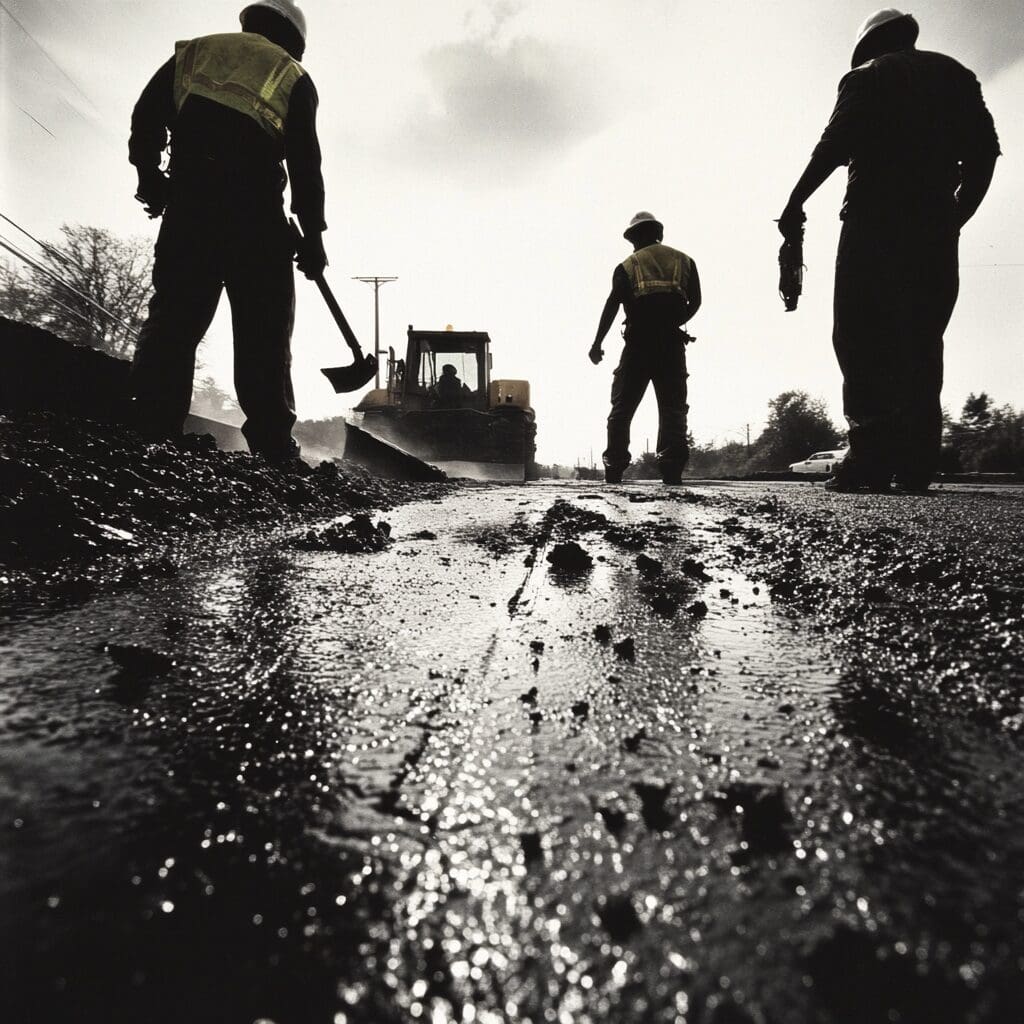
Diesel is a petroleum distillate that many tradespeople and mechanics have used informally as a tar remover for decades — particularly for cleaning heavy equipment and machinery.
Effectiveness: Moderate to good on heavy tar and asphalt deposits.
Drawbacks: Highly flammable. Strong odor. Leaves significant oily residue. Environmental contamination risk. Not appropriate for use on automotive paint or sensitive surfaces.
Best for: Heavy equipment cleaning in industrial or agricultural settings where surface finish is not a concern.
Surface-Specific Recommendations
Automotive Paint and Clear Coat
Best choice: Citrus tar remover. It dissolves tar without attacking clear coat chemistry, and its relatively gentle action reduces the risk of paint marring. Always follow with a clay bar treatment and wax reapplication on the treated panel.
Concrete and Driveways
Best choice: Citrus solvent or mineral spirits, followed by a degreaser wash and pressure rinse. For very heavy asphalt or tar spills on concrete, a stronger petroleum solvent may be needed for initial penetration followed by citrus for residue cleanup.
Fabric and Upholstery
Best choice: Citrus solvent applied carefully with a clean cloth, working from the outside of the stain inward to prevent spreading. Follow immediately with a fabric cleaner and thorough rinsing.
Skin
Best choice: Cooking oil or citrus-based hand cleaner. Apply generously, work into the tar gently, then wash thoroughly with soap and water. Never use acetone, mineral spirits, or petroleum solvents on skin.
Heavy Equipment and Machinery
Best choice: Citrus asphalt remover or mineral spirits for initial dissolution, followed by a degreaser wash and pressure rinse for complete cleanup.
The Case for Going Citrus First
Across virtually every tar removal application — automotive, residential, industrial, or personal — citrus solvent deserves to be your first choice rather than a last resort. The days when natural solvents meant compromising on performance are over. D-limonene-based tar removers now deliver performance that matches or exceeds many petroleum alternatives, while offering a safety and environmental profile that makes them the intelligent choice for professional and consumer use alike.
The performance gap between citrus and chlorinated or petroleum solvents has closed dramatically as citrus solvent formulations have improved. For light to moderate tar deposits — which describe the vast majority of real-world tar removal situations — citrus solvent gets the job done completely, safely, and without the downstream costs of surface damage, health risk, or environmental harm.

For the most extreme industrial applications involving very heavy, very aged tar deposits, a petroleum solvent may still offer faster initial penetration. But even in those situations, citrus solvent as a follow-up cleaner removes residue, protects the treated surface, and leaves no hazardous chemical trail behind.
Quick Reference Guide
| Solvent | Effectiveness | Surface Safe | Eco-Friendly | Fume Risk |
| Citrus / D-Limonene | ⭐⭐⭐⭐ | ✅ Yes | ✅ Yes | ✅ Low |
| Mineral Spirits | ⭐⭐⭐⭐ | ⚠️ Moderate | ❌ No | ⚠️ Moderate |
| WD-40 | ⭐⭐ | ✅ Generally | ❌ No | ✅ Low |
| Acetone | ⭐⭐⭐⭐⭐ | ❌ No | ❌ No | ❌ High |
| Cooking Oil | ⭐ | ✅ Yes | ✅ Yes | ✅ None |
| Turpentine | ⭐⭐⭐ | ⚠️ Moderate | ⚠️ Partial | ⚠️ Moderate |
| Diesel | ⭐⭐⭐ | ❌ No | ❌ No | ⚠️ Moderate |
Final Thoughts
Tar’s chemical stubbornness demands a solvent that can match it at the molecular level — and the best options available today do exactly that. Whether you reach for a citrus-based tar remover for its outstanding combination of effectiveness and safety, or a petroleum distillate for heavy industrial applications, the key principle is the same: dissolve the hydrocarbon with a hydrocarbon, protect the surface beneath, and clean up thoroughly afterward.
For most people in most situations — from road tar on a car door to asphalt splatter on work boots to bituminous residue on equipment — a quality citrus tar remover is all you will ever need. It is effective, safe, environmentally responsible, and increasingly the professional’s first choice rather than a compromise.
Sometimes the best solution really does grow on trees.