
What Is Asbestos Mastic? A Complete Guide to Understanding This Hazardous Building Material
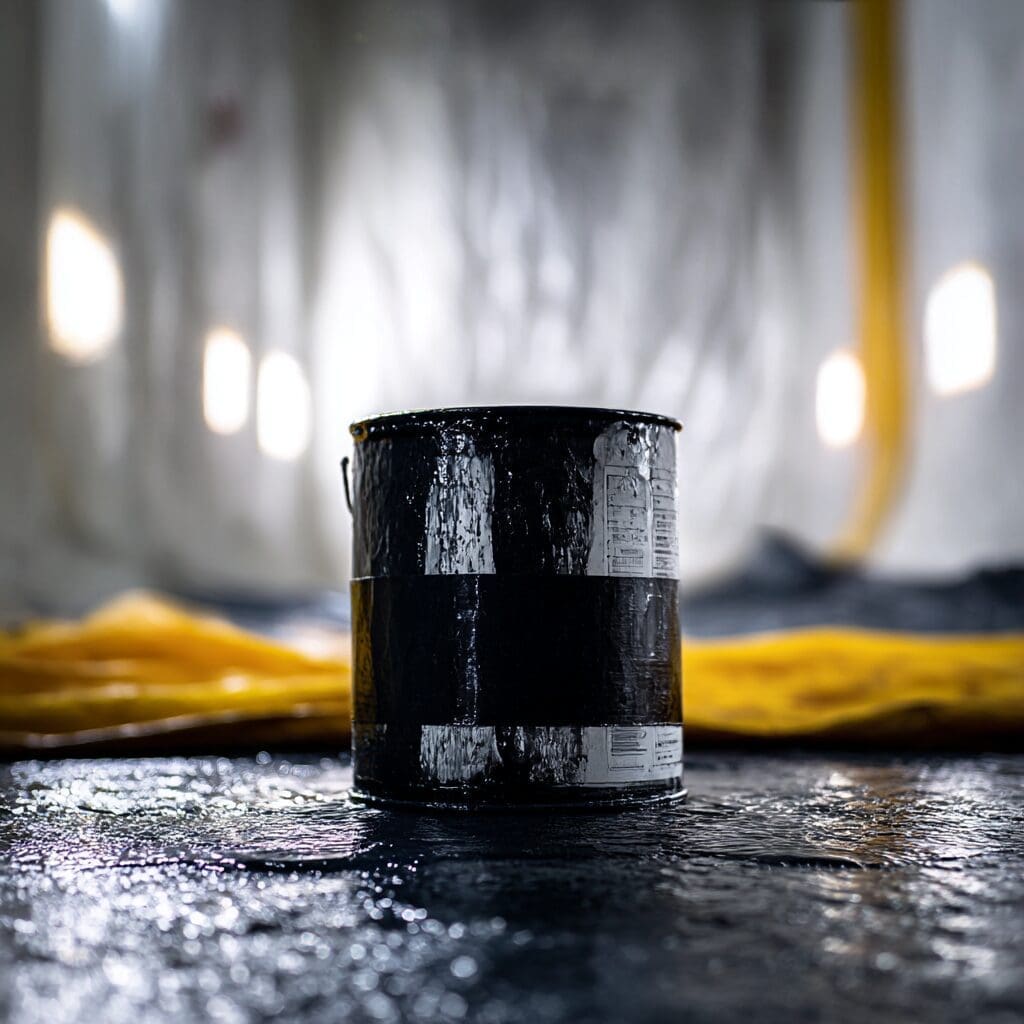
Asbestos mastic is a term that surfaces frequently in discussions about older homes and commercial buildings — particularly those constructed before the 1980s. For homeowners, contractors, and property managers, understanding what asbestos mastic is, where it’s found, and why it matters is essential for maintaining safe living and working environments.
What Is Mastic?
Before diving into the asbestos component, it helps to understand what mastic is on its own. Mastic is a thick, adhesive substance used in construction as a bonding agent, sealant, or filler. It was widely used throughout the 20th century to adhere floor tiles, ceiling tiles, and insulation materials to surfaces. Think of it as a heavy-duty glue — dense, tar-like in many formulations, and designed to create a long-lasting bond between materials and the surfaces beneath them.
What Makes It “Asbestos Mastic”?
Asbestos mastic refers specifically to mastic adhesives that were manufactured with asbestos fibers as an added ingredient. Asbestos — a naturally occurring silicate mineral — was prized for decades in the construction industry for its remarkable properties: it was heat-resistant, fire-retardant, highly durable, and inexpensive to produce. Manufacturers blended asbestos fibers into mastic formulations to enhance strength, improve heat resistance, and extend the product’s overall lifespan.
The result was an extremely effective adhesive that was used extensively from the 1920s through the late 1970s, when the serious health risks associated with asbestos exposure became impossible to ignore and regulatory action followed.
Where Is Asbestos Mastic Commonly Found?
If you own or work in a building constructed before 1980, asbestos mastic may be lurking beneath your floors, behind your walls, or above your head. The most common locations include:
Vinyl Floor Tiles — Perhaps the most widespread application. The black or dark brown adhesive used to install 9×9 inch and 12×12 inch vinyl floor tiles frequently contained asbestos. This mastic is often found beneath linoleum, carpet, or newer flooring installed over the original tiles.
Ceiling Tiles — Mastic was used to bond acoustic and decorative ceiling tiles in commercial buildings, schools, hospitals, and homes throughout the mid-20th century.
Pipe and Duct Insulation — Asbestos mastic was applied as a coating and sealant around pipes, HVAC ducts, and boiler systems to improve thermal insulation and prevent fire hazards.
Roofing Materials — Some roofing mastics and sealants applied around flashing, vents, and seams contained asbestos as a binding and weatherproofing agent.
Wall Panels and Sheeting — In some commercial construction, mastic was used to bond decorative or structural panels to wall framing.
Is Asbestos Mastic Dangerous?
The danger of asbestos mastic — like all asbestos-containing materials — depends largely on its condition and whether it has been disturbed. Asbestos is classified into two states:
Friable — Asbestos material that can be crumbled, crushed, or pulverized by hand pressure, releasing fibers into the air. Friable asbestos is considered the most dangerous because airborne fibers can be inhaled deeply into the lungs.
Non-Friable — Asbestos material that is bound within a solid matrix and is not easily broken apart under normal conditions. Intact asbestos mastic beneath undisturbed floor tiles, for example, is generally considered non-friable and poses a lower immediate risk.
However, the situation changes dramatically when non-friable asbestos mastic is cut, sanded, scraped, drilled, or disturbed in any way — such as during a renovation or demolition project. These activities can release microscopic asbestos fibers into the air, where they can remain suspended for hours and be unknowingly inhaled.
Long-term inhalation of asbestos fibers is linked to several serious and life-threatening diseases, including mesothelioma (a rare cancer of the lining of the lungs and abdomen), asbestosis (a chronic lung disease causing scarring and breathing difficulty), and lung cancer. These conditions typically have long latency periods, meaning symptoms may not appear until decades after the initial exposure.
How to Identify Asbestos Mastic
You cannot identify asbestos mastic by sight alone. While dark black or brownish adhesive beneath old floor tiles is a common telltale sign — and is sometimes informally called “black mastic” — color and texture are not reliable indicators. The only way to confirm whether a mastic contains asbestos is through professional laboratory testing.
If your home or building was constructed before 1980 and you suspect the presence of asbestos mastic, the recommended steps are:
- Do not disturb the material. Leave it completely intact until it has been assessed.
- Hire a certified asbestos inspector. A licensed professional will take samples safely and send them to an accredited laboratory for analysis.
- Review the lab results. Results will confirm whether asbestos fibers are present and at what percentage concentration.
What Should You Do If You Have Asbestos Mastic?
If testing confirms the presence of asbestos mastic in your property, you have options — and the right choice depends on the condition of the material and your renovation plans.
Encapsulation is often recommended when the mastic is in good condition and is not being disturbed. This involves sealing the material with a special coating that prevents fiber release, or simply leaving it in place beneath new flooring. This is frequently the most practical and cost-effective solution.
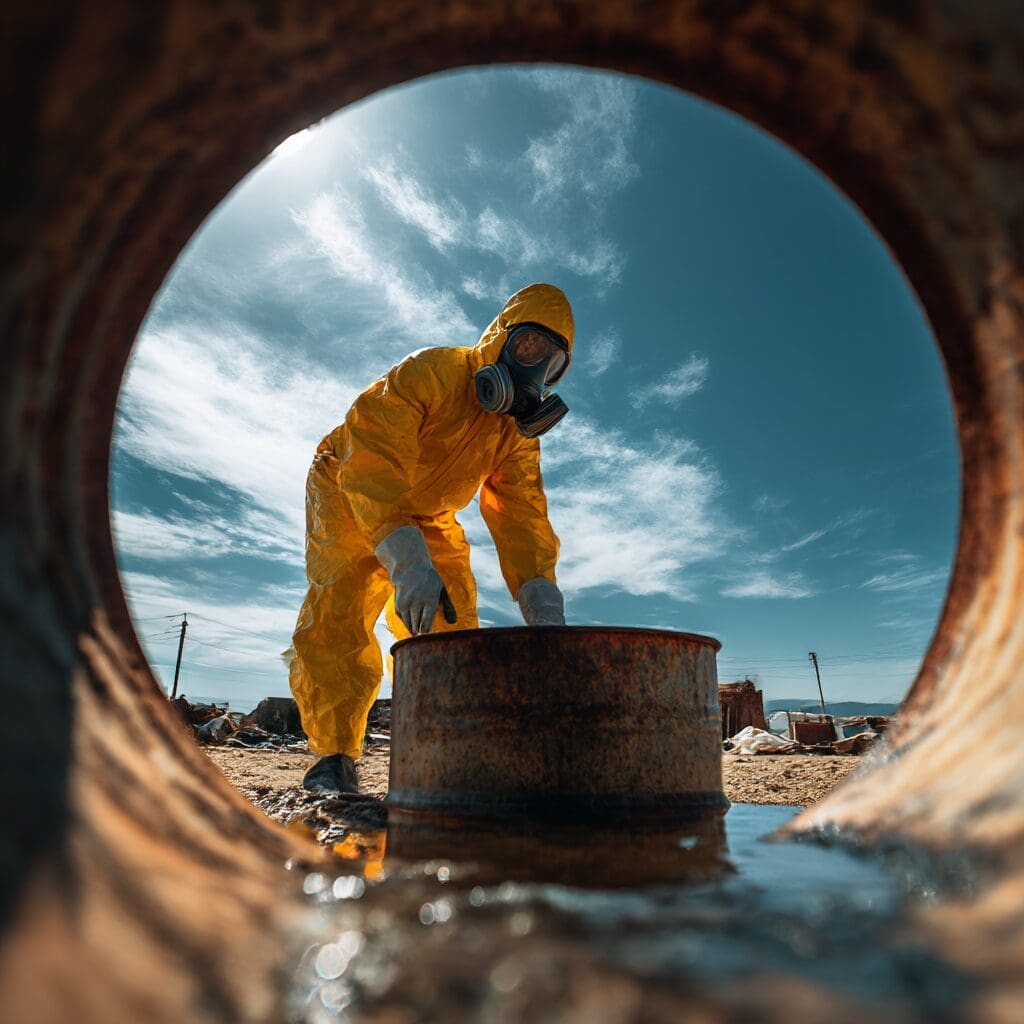
Abatement (Removal) becomes necessary when the mastic is deteriorating, when extensive renovation work is planned, or when regulations require it. Asbestos abatement must be performed by licensed professionals following strict safety protocols — including containment of the work area, use of personal protective equipment, and proper disposal of all asbestos-containing materials according to local and federal regulations.
Under no circumstances should you attempt to scrape, sand, or remove asbestos mastic yourself. DIY removal is not only dangerous but may also be illegal in many jurisdictions.
The Regulatory Landscape
In the United States, the Environmental Protection Agency (EPA) and the Occupational Safety and Health Administration (OSHA) regulate asbestos-containing materials, including mastic. The use of asbestos in most construction products was effectively phased out following EPA regulations introduced in the 1970s, though a comprehensive ban was never fully enacted. Regulations vary by state, so property owners should consult local authorities or a licensed asbestos professional to understand their specific obligations.
Final Thoughts
Asbestos mastic is a hidden remnant of an era when the building industry prioritized durability and affordability over long-term health considerations. Its presence in older buildings is common, but it doesn’t have to be a crisis. When left undisturbed, asbestos mastic often poses minimal immediate risk. The key is awareness — knowing where it might be, how to identify it responsibly, and when to call in qualified professionals.
Whether you’re a homeowner planning a renovation, a property manager overseeing an older facility, or simply someone curious about the materials around you, understanding asbestos mastic is the first step toward making informed and safe decisions about your space.